by Dr. Jane Nelsen
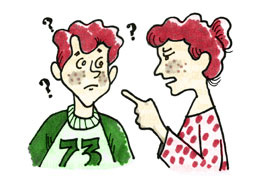
When children are punished they do not learn self-discipline. Punishment provides “external” motivation. Self-discipline requires “inner” motivation. When children are punished they either comply to avoid the punishment (and may become approval junkies), or they may get sneaky and do all they can to avoid getting caught. They may they blatantly rebel—resulting in endless power-struggles with their parents. Then parents complain about the behavior of their children without taking responsibility for their part—how they invited the power struggles by using ineffective discipline methods (punishment).
Positive Discipline does not advocate any form of punishment—no punitive time-out or grounding, no withdrawal of privileges, no yelling, no lectures, no threatening, no spanking, no rewards, no praise.
At this point you may be wondering two things, “What else is there?”, and, “Wait a minute; praise and rewards aren’t punishment.” Praise and rewards are not punishment but they are external motivators, which do not teach self-discipline, self-control, and the desire to make a contribution based on inner motivation.
In answer to what else is there; that is what Positive Discipline is all about—providing many non-punitive parenting tools that follow two basic guidelines:
1) Create a connection before correction.
2) Correction usually involves children in focusing on solutions.
There are many specific parenting tools that meet these basic guidelines. A deck of cards called Positive Discipline Parenting Tools includes 52 of them. All are designed to help children learn self-discipline, responsibility, cooperation, problem-solving skills, and other valuable social and life skills for good character. I’ll mention a few:
Family Meetings: where children learn to give and receive compliments and to brainstorm for solutions to family challenges that have been put on the agenda.
Curiosity Questions: where parents invite children to think instead of telling them what to think.
Validating Feelings: to help children feel supported without needing to be rescued or fixed. They learn they can survive the ups and downs of life.
Positive Time-out: to help children learn self-soothing by creating a place that helps them feel better (so they can access their rational brains).
Routine Charts: created by children so they feel motivated to follow the routines they have created (or at least helped create.)
Most parents would prefer to give up punishment if they knew what else to do that would help their children develop into capable and caring adults. That is what Positive Discipline is all about.